The MAONO PD400X Dynamic Microphone review is for creators who want one mic to move between a simple USB setup and an XLR recording chain.
Its dynamic capsule, cardioid pickup pattern, headphone monitoring, and software controls make it a flexible option for streaming, podcasting, and home recording.
MAONO PD400X Review Summary
The quick verdict
500+ ratings
Read Amazon ReviewsMAONO PD400X
A practical fit for streamers, podcasters, and home recordists who want USB convenience, XLR flexibility, and onboard audio controls.
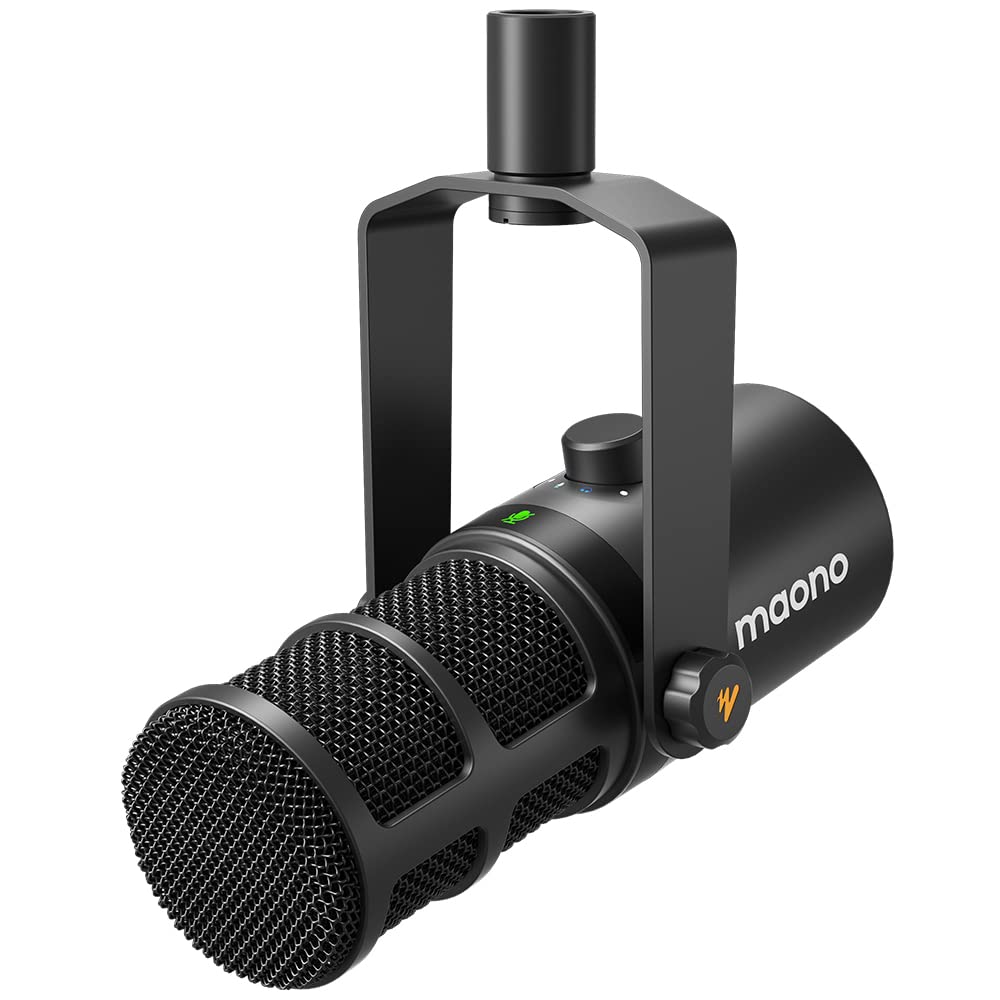
- Dynamic microphone with a cardioid pickup pattern, intended for studio and home recording, podcasting, and live streaming.
- Dual outputs: USB for direct computer connection and XLR analog output for compatible interfaces, mixers, or portable PA systems.
- Three-in-one digital knob for microphone gain, headphone volume, and monitor mix.
- Touch mute control with an LED indicator for visible mute status.

Pros
- Can serve in both a straightforward USB setup and an XLR-based audio chain.
- Useful physical controls reduce the need to reach for software for common adjustments.
Consider before buying
- Advanced software adjustments are tied to USB use, so an XLR workflow should be chosen with that distinction in mind.
- The microphone does not, in the supplied description, establish a complete mounting setup; check what support and cabling your intended desk or studio configuration requires.
Read the full review summary
The PD400X combines USB and XLR outputs with practical controls for gain, headphone volume, monitor mix, and muting.
USB use adds access to MAONO Link software, including vocal tone and distance choices in Standard Mode and deeper adjustments such as EQ, limiter, and compressor in Advanced Mode.
That gives new users a straightforward starting point and experienced users more room to shape their monitoring and USB workflow.
Its strongest appeal is adaptability: it can connect directly by USB or serve in a setup built around an interface, mixer, or portable PA system through XLR.
The dynamic capsule and cardioid pattern are designed for vocal work in home and studio settings, though room sound, mic placement, and the rest of the recording chain still affect results.
Buyers should also decide how they plan to mount it and whether their preferred setup needs accessories beyond the microphone.
The buying factors
MAONO PD400X Scorecard
Editorial scores reflect listed features and buyer fit; they are not laboratory measurements or customer ratings.
Connection flexibility
USB plug-and-play and XLR analog outputs support both direct computer use and equipment-based setups.
On-mic control
A multifunction knob, tap-to-mute control, and LED indicator cover useful adjustments during recording or streaming.
USB software options
MAONO Link offers preset-style choices and deeper processing adjustments in USB mode.
Monitoring workflow
A headphone jack and monitor-mix adjustment support listening while recording.
Room-oriented design
The dynamic capsule and cardioid pattern are suited to focused vocal pickup, but the description does not establish results in any specific room.
Setup simplicity
USB is described as plug-and-play, while an XLR setup can join compatible interfaces, mixers, or PA systems.
Key Features and Specifications of MAONO PD400X
- Dynamic microphone with a cardioid pickup pattern, intended for studio and home recording, podcasting, and live streaming.
- Dual outputs: USB for direct computer connection and XLR analog output for compatible interfaces, mixers, or portable PA systems.
- Three-in-one digital knob for microphone gain, headphone volume, and monitor mix.
- Touch mute control with an LED indicator for visible mute status.
- MAONO Link software offers vocal tone and distance choices in Standard Mode, plus gain, monitor mix, EQ, limiter, compressor, and other adjustments in Advanced Mode.
- Headphone jack enables monitoring as part of the recording setup.
Pros and Cons of MAONO PD400X
Pros
- Can serve in both a straightforward USB setup and an XLR-based audio chain.
- Useful physical controls reduce the need to reach for software for common adjustments.
- Software offers a range of USB-side audio shaping and monitoring options.
- Dynamic capsule and cardioid pattern are purpose-aligned with vocal recording, streaming, and podcasting.
Consider before buying
- Advanced software adjustments are tied to USB use, so an XLR workflow should be chosen with that distinction in mind.
- The microphone does not, in the supplied description, establish a complete mounting setup; check what support and cabling your intended desk or studio configuration requires.
- USB plug-and-play is the simpler route; XLR use depends on compatible audio equipment such as an interface or mixer.
Who Should Buy MAONO PD400X?
Good fit
Consider the PD400X if your workflow may change over time. USB can keep a computer-based setup simple, while XLR gives you a path to connect the microphone to an interface, mixer, or portable PA system.
The same mic can therefore suit a solo streamer today and a more equipment-centered recording setup later.
The controls are especially relevant if you make frequent live adjustments. The multifunction knob handles gain, headphone level, and monitor mix, while touch mute and its LED indicator make muting easier to manage at the mic.
MAONO Link adds more ways to tailor the USB signal, from vocal tone choices to EQ and dynamics controls.
Before buying, map out the physical setup: where the mic will sit, how you will connect it, and whether you need a stand, arm, or additional cable.
The description identifies output types and core controls but does not specify every accessory or compatibility detail, so compare your existing equipment with the connections you plan to use.
Who should skip it
Skip it if you specifically need a complete microphone-and-mount bundle in one purchase; first confirm the included accessories and mounting requirements for your desk.
It may not suit a buyer who wants a fixed, minimal USB-only workflow and has no use for XLR or software adjustments. A simpler USB mic could be easier to choose if those extra options would go unused.
How the MAONO PD400X Fits a Flexible Recording Setup
USB convenience with an XLR path
The dual-output design addresses two different setup stages. USB offers a direct route to a computer, while XLR can feed compatible recording or live-sound equipment.
That flexibility is useful if you expect to change your signal chain, though the XLR route assumes you already have or plan to add compatible gear.
Controls that matter while recording
Gain, headphone volume, and monitor mix are grouped on one digital knob, with a separate touch mute and LED indicator. This layout puts common adjustments within reach during a stream or conversation.
It is a practical workflow advantage, especially when changing apps or reaching for a keyboard would interrupt the session.
Software shaping is USB-specific
MAONO Link separates simpler vocal tone and distance choices from Advanced Mode adjustments such as EQ, limiter, and compressor.
These give USB users more control over how they configure the mic, but they should not be treated as a substitute for good placement or room acoustics.
If your main plan is XLR, check whether the software features are central to your buying decision.
A focused vocal design, with setup still important
The dynamic capsule and cardioid pattern are aimed at vocal uses in recording, streaming, and podcasting.
They indicate a design focused toward sound coming from the front of the microphone, but they do not guarantee a particular level of background rejection in every room.
Keep the mic position and the rest of the recording environment in mind when judging fit.
Alternatives to MAONO PD400X
Vocal Dynamic Microphones alternative
6,000+ ratings
Read Amazon ReviewsFIFINE AmpliGame AM8T
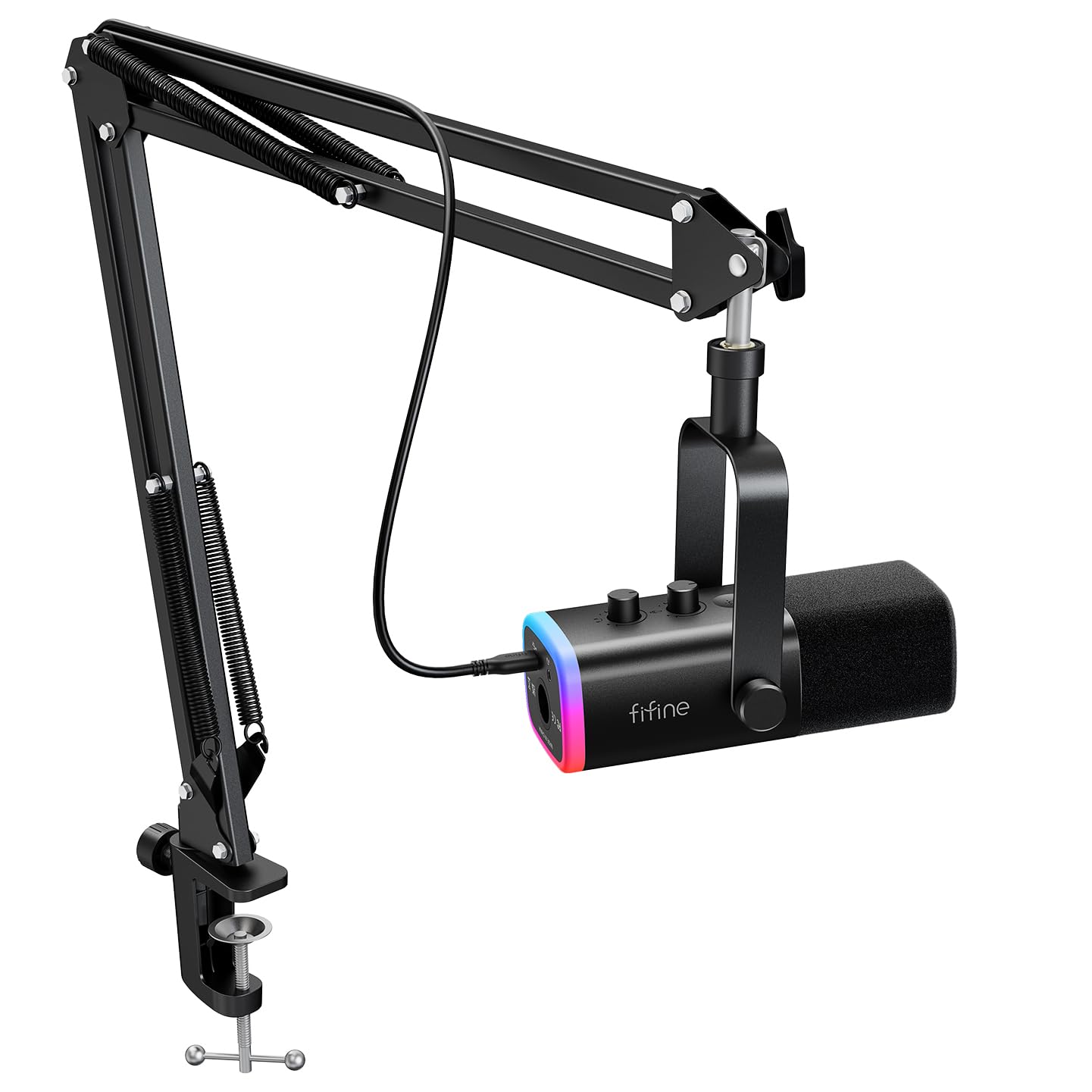
Choose the AM8T if an included boom arm and gaming-oriented RGB lighting are priorities. The PD400X is a better fit if its monitor-mix control and MAONO Link options are more useful to your workflow.
- The AM8T is a USB/XLR dynamic microphone kit that includes a boom arm stand, C-clamp, USB cable, mute button, gain knob, headphone jack, headphone volume control, and customizable RGB lighting.
- Its XLR cable is not included.
- The PD400X offers USB and XLR connectivity, a headphone jack, onboard control of gain, headphone volume and monitor mix, plus USB-side MAONO Link adjustments.
Vocal Dynamic Microphones alternative
2,000+ ratings
Read Amazon ReviewsMAONO PD200XS
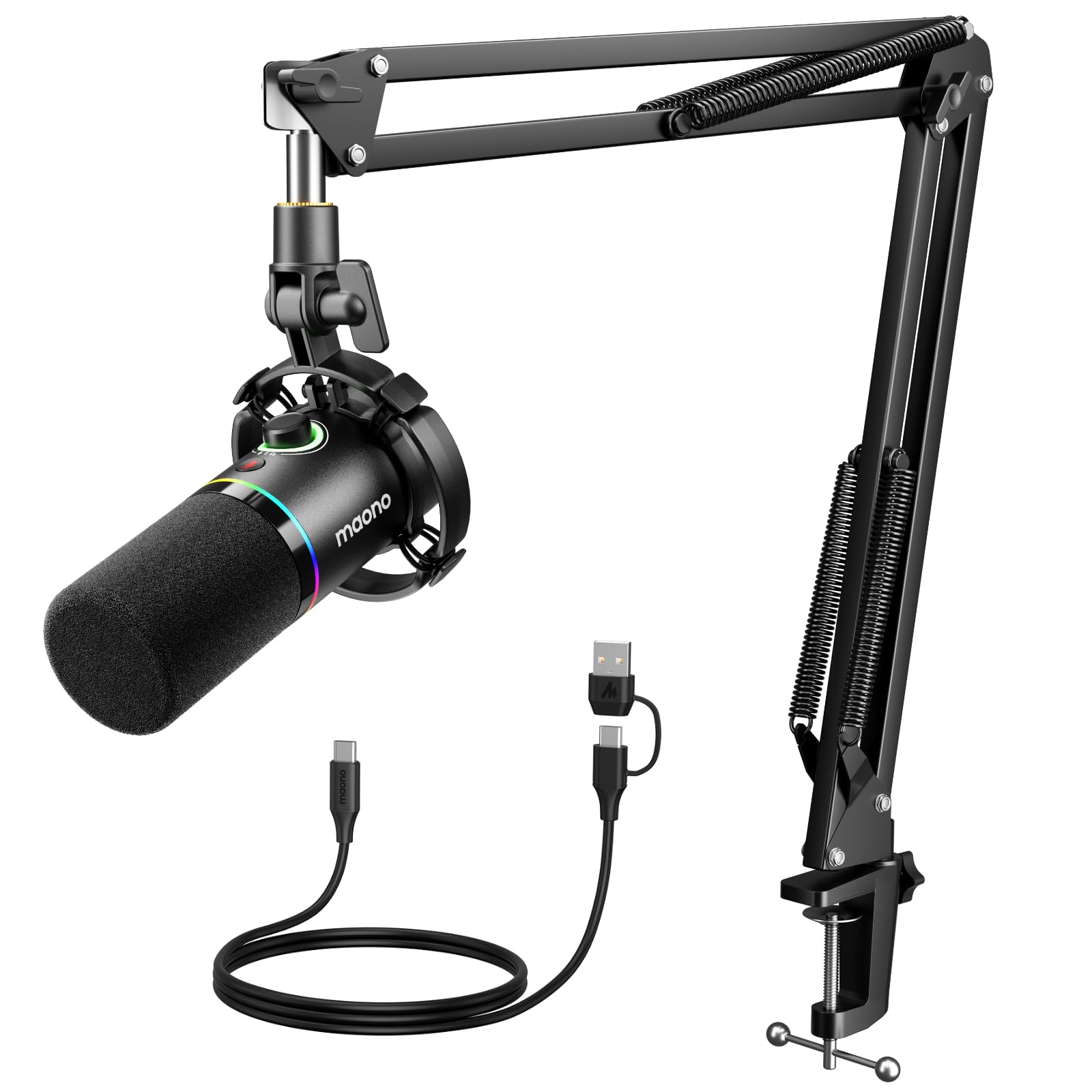
The PD200XS is worth comparing if you want a bundled boom arm and shock mount or prefer RGB lighting.
Consider the PD400X if its specific knob-based control of monitor mix, headphone level, and gain better matches how you work.
- The PD200XS is also a USB/XLR dynamic mic, but its kit includes a boom arm, shock mount, USB cable, and adapters.
- Its software supports USB-side EQ, limiter, and compressor adjustments, and it adds RGB lighting.
- The PD400X provides USB and XLR outputs and MAONO Link adjustments, including monitor mix, EQ, limiter, and compressor in Advanced Mode.
Is MAONO PD400X Worth It?
The MAONO PD400X is worth considering for vocal creators who want a flexible microphone that can start over USB and also connect through XLR.
Its onboard controls, headphone monitoring, mute indicator, and USB software options make the feature set adaptable to streaming and recording routines.
Buy it when those controls and the option to change connection setups justify checking your mounting and cabling needs. If you prefer a bundled stand or want a simpler, single-purpose mic, compare those practical requirements before choosing.
Your review at a glance
500+ ratings
Read Amazon ReviewsMAONO PD400X
A practical fit for streamers, podcasters, and home recordists who want USB convenience, XLR flexibility, and onboard audio controls.
- Dynamic microphone with a cardioid pickup pattern, intended for studio and home recording, podcasting, and live streaming.
- Dual outputs: USB for direct computer connection and XLR analog output for compatible interfaces, mixers, or portable PA systems.
- Three-in-one digital knob for microphone gain, headphone volume, and monitor mix.
- Touch mute control with an LED indicator for visible mute status.